Mashed potatoes are a dependable side dish for family dinners, holiday meals and everyday cooking. Their appeal comes from simple ingredients: potatoes, butter, milk and seasoning. With the right potato variety and a few careful steps, you can prepare a smooth, creamy dish without special equipment.
This mashed potatoes recipe uses ingredients commonly available in Canadian grocery stores. It explains how to choose suitable potatoes, cook them evenly, add dairy gradually and avoid the gluey texture that can result from overmixing.
Why This Mashed Potatoes Recipe Works
Good mashed potatoes do not require a complicated method. The important details are choosing the right potatoes, cutting them into evenly sized pieces, draining them thoroughly and adding warm dairy gradually.
This recipe uses Yukon Gold potatoes for a naturally creamy texture. Russet potatoes are another good option if you prefer a lighter, fluffier result. You can also combine the two varieties.
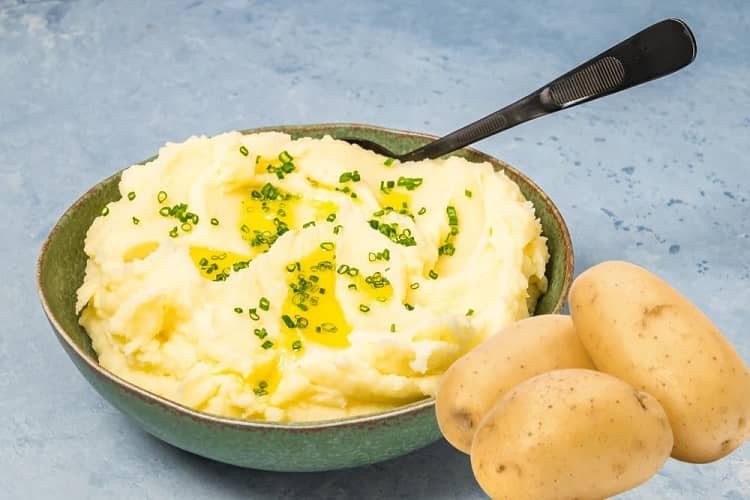
The finished potatoes work well with roasted chicken, beef stew, turkey, vegetables and gravy.
Preparation Time and Servings
| Recipe detail | Information |
|---|---|
| Preparation time | 15 minutes |
| Cooking time | 15–20 minutes |
| Total time | Approximately 30–35 minutes |
| Servings | 4–6 |
| Difficulty | Easy |
| Cooking method | Stovetop |
Cooking time can vary depending on the size of the potato pieces and the variety used. Check tenderness with a fork rather than relying on the clock alone.
Ingredients for Homemade Mashed Potatoes
Use fresh potatoes and measure the butter and milk before beginning. Having the dairy ready makes it easier to adjust the consistency without adding too much liquid.
Main Ingredients
- 2 lb (900 g) Yukon Gold or Russet potatoes
- ¼ cup (60 g) unsalted butter
- ½ cup (120 ml) whole milk, warmed
- ½ teaspoon salt, or to taste
- Black pepper, to taste
Optional Ingredients
- 2 cloves roasted garlic, mashed
- 1–2 tablespoons sour cream
- 2 tablespoons chopped fresh chives
- ¼ cup shredded cheddar cheese
- A little extra warm milk, if needed
Optional ingredients are best added gradually. This lets you control the flavour and prevents the potatoes from becoming too loose.
Choosing the Best Potatoes
The variety of potato has a noticeable effect on the finished texture. Some potatoes break down easily and produce fluffy mash, while others hold their shape and create a denser result.
Yukon Gold Potatoes
Yukon Gold potatoes are a good all-purpose choice for creamy mashed potatoes. Their naturally buttery flavour and medium-starch texture make them suitable for a smooth, rich side dish.
Russet Potatoes
Russet potatoes contain more starch and produce a lighter, fluffier mash. They are a good option if you prefer potatoes that are less dense and absorb butter and milk readily.
Can You Mix Potato Varieties?
Yes. A combination of Yukon Gold and Russet potatoes can provide a balance of creaminess and fluffiness. Use whichever variety is available and avoid mixing potatoes that are at very different stages of freshness or quality.
Step-by-Step Mashed Potatoes Recipe
Follow the steps in order for an even texture. The most important points are to start the potatoes in cold water, drain them properly and avoid excessive mixing after adding the dairy.
Step 1: Wash, Peel and Cut the Potatoes
Wash the potatoes under cool running water to remove dirt. Peel them if you prefer a smooth texture, then cut them into similarly sized pieces, approximately 1½ inches (4 cm) across.
Evenly sized pieces cook at a similar rate. Smaller pieces cook faster, but cutting them too small can make them waterlogged.
Step 2: Place the Potatoes in Cold Water
Put the potato pieces in a large saucepan or pot. Cover them with cold water by about an inch and add a little salt.
Starting with cold water helps the pieces heat more evenly from the outside to the centre. Adding potatoes directly to boiling water can cause the outside to soften before the middle is fully cooked.
Step 3: Boil Until Fork-Tender
Bring the water to a boil over medium-high heat. Reduce the heat and simmer gently for approximately 15–20 minutes, depending on the size of the pieces.
Check a few pieces with a fork. They should be tender enough for the fork to pass through easily without resistance. If they still feel firm in the centre, continue cooking and check again.
Step 4: Drain the Potatoes Thoroughly
Carefully pour the potatoes into a colander and allow the water to drain. Return them to the warm pot and leave them uncovered briefly so excess moisture can evaporate.
This step is important because water left on the potatoes can dilute the butter and milk. Avoid leaving them sitting in the cooking water.
Step 5: Mash the Potatoes
Use a potato masher or potato ricer to break down the cooked potatoes. Work gently until the larger pieces disappear.
A potato ricer produces a particularly smooth texture, while a hand masher leaves a slightly more rustic result. Avoid using a blender or food processor because high-speed processing can release too much starch and make the potatoes sticky.
Step 6: Add Warm Butter and Milk
Warm the milk gently in a small saucepan or microwave-safe container. Do not let it boil.
Add the butter to the hot potatoes and begin mashing. Pour in the warm milk a little at a time, mixing gently until the potatoes reach your preferred consistency.
You may not need the full amount of milk, particularly if you use potatoes with a naturally moist texture.
Step 7: Season and Serve
Taste the potatoes and add salt and black pepper as needed. If the mixture is too thick, add a small amount of warm milk and fold it in gently.
Transfer the mashed potatoes to a serving bowl. Add a small piece of butter or chopped chives on top if desired, and serve while warm.
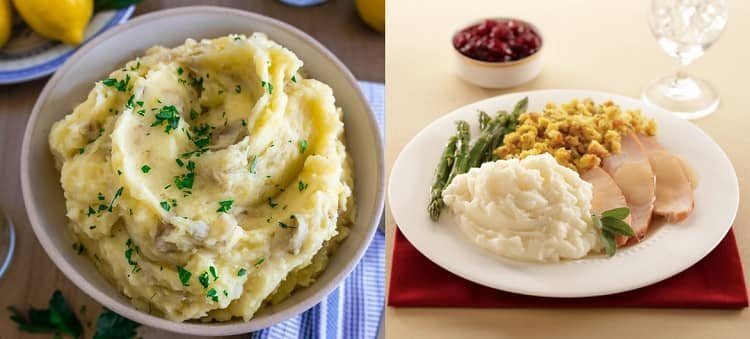
Tips for Creamy, Fluffy Mashed Potatoes
Small technique adjustments can make a noticeable difference to the final dish. Keep these points in mind when preparing mashed potatoes for a weeknight meal or a larger family gathering.
- Use suitable potatoes: Yukon Gold and Russet potatoes are reliable choices.
- Cut evenly: Similar-sized pieces cook more consistently.
- Start with cold water: This helps the potatoes cook evenly.
- Drain well: Excess water can make the mash thin.
- Warm the dairy: Warm milk and butter blend more easily into hot potatoes.
- Mash gently: Excessive mixing can create a sticky texture.
- Season gradually: Taste before adding more salt, especially if serving with salty gravy.
Popular Mashed Potato Variations
The basic recipe is easy to adapt. Add one or two flavour ingredients at a time so the potatoes remain balanced and the original potato flavour is not overwhelmed.
Garlic Mashed Potatoes
For a garlic version, roast two or three garlic cloves until soft. Mash the cloves into the cooked potatoes before adding the milk.
Roasted garlic gives a mild, rounded flavour. If you prefer a stronger taste, use a smaller amount of freshly minced garlic, but cook it first rather than adding large quantities raw.
Creamy Herb Mashed Potatoes
Chopped chives, parsley or thyme can add freshness. Stir the herbs into the potatoes near the end of preparation so their flavour remains noticeable.
This variation pairs well with roasted chicken, turkey and grilled vegetables.
Cheddar Mashed Potatoes
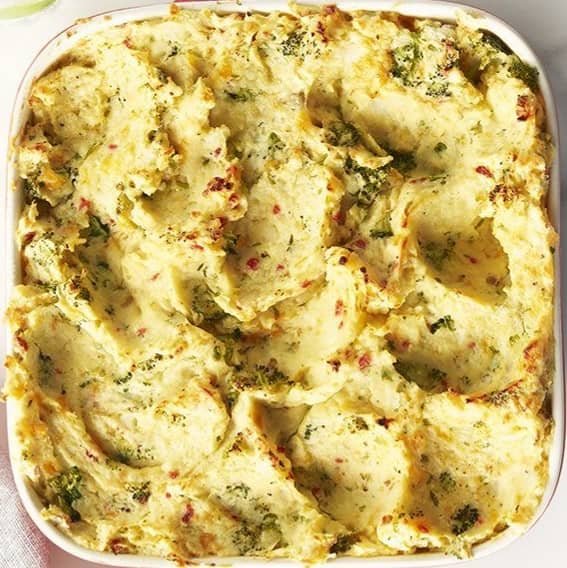
Add a small amount of shredded cheddar after the potatoes have been mashed. Stir gently until the cheese melts into the warm mixture.
Use a cheese that melts well and avoid adding too much, as a large quantity can make the potatoes heavy.
Sour Cream Mashed Potatoes
Replace part of the milk with sour cream for a slightly tangy flavour. Add it gradually after mashing and adjust the consistency with warm milk if necessary.
This version works well with beef dishes and roasted vegetables.
Dairy-Free Mashed Potatoes
For a dairy-free version, replace the butter with a suitable plant-based alternative and use unsweetened, unflavoured plant milk. Add the milk gradually because different products can produce different textures.
Check product labels if preparing the dish for someone with a dairy allergy.
Serving Ideas: What Goes Well with Mashed Potatoes?
Mashed potatoes are versatile and can accompany many main dishes. Their mild flavour also makes them suitable for meals with gravy, roasted vegetables and seasoned meats.
With Roast Chicken
Serve a generous spoonful alongside roast chicken and vegetables. The potatoes provide a soft, creamy side that works particularly well with pan juices or gravy.
You can pair this side dish with our Roast Chicken with Garden Vegetables Recipe.
With Beef Stew
Mashed potatoes can be served beside beef stew or used as a base for a portion of thick stew. Their mild flavour complements the savoury broth and tender vegetables.
Try them with our Rustic Beef & Barley Stew Recipe.
With Pea Soup and Smoked Ham
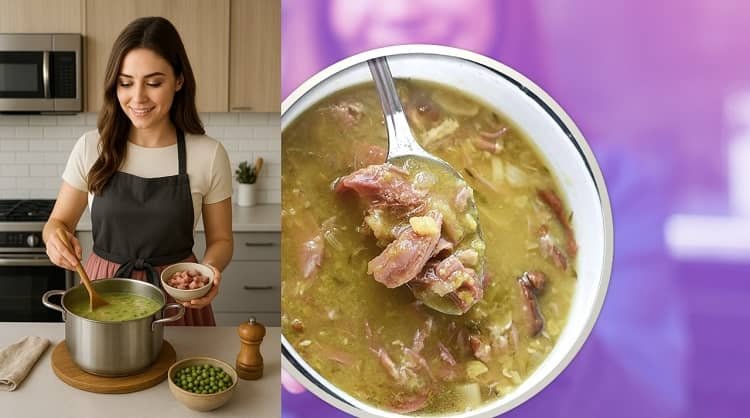
For a hearty home-style meal, serve a modest portion of mashed potatoes alongside a bowl of pea soup with smoked ham. Bread can also complete the meal.
See our Pea Soup with Smoked Ham Recipe.
With Gravy
Beef, chicken, turkey or vegetarian gravy can all be served with mashed potatoes. Spoon the gravy over the potatoes just before serving so the texture stays pleasant.
Common Mashed Potato Problems and How to Fix Them
Even a simple recipe can produce disappointing results if the potatoes are handled incorrectly. These common problems are usually preventable with a few adjustments.
Why Are My Mashed Potatoes Gluey?
Gluey potatoes usually result from overworking them, particularly with a blender, food processor or electric mixer. Use a hand masher or ricer and stop mixing once the potatoes are smooth enough.
Why Are My Mashed Potatoes Watery?
Excess cooking water or too much milk can make mashed potatoes thin. Drain the potatoes thoroughly and allow excess steam to escape before adding butter and milk.
If the potatoes are already too loose, return them to a warm pot over low heat and stir gently for a short time to help excess moisture evaporate. Do not overwork them.
Why Are My Mashed Potatoes Lumpy?
Lumps can remain when the potatoes are undercooked or the pieces are too large. Make sure the potatoes are fork-tender before draining and mash them while they are still hot.
Why Do My Mashed Potatoes Taste Bland?
Potatoes need enough seasoning to bring out their flavour. Add salt gradually, taste the mixture and adjust before serving. Butter, pepper, garlic and fresh herbs can also improve the flavour.
Making Mashed Potatoes Ahead of Time
Mashed potatoes are best served soon after preparation, but you can prepare them ahead when planning a larger meal. Transfer the finished potatoes to a covered, heat-safe dish and refrigerate promptly if you are not serving them soon.
When reheating, add a little milk and warm the potatoes gently on the stovetop or in the microwave. Stir occasionally and check that the entire portion is heated thoroughly. Avoid leaving cooked potatoes at room temperature for extended periods.
Storage and Food Safety
Allow leftover mashed potatoes to cool slightly, then place them in a clean, covered, shallow container and refrigerate promptly. Do not leave cooked potatoes at room temperature for more than two hours.
Refrigerated leftovers should generally be used within 3–4 days. Reheat only the portion you plan to eat, and heat leftovers to 74°C (165°F) throughout.
Freezing is possible, although the texture may change after thawing. Potatoes made with butter or cream may retain a better texture than very lean versions. Thaw frozen portions in the refrigerator and reheat thoroughly.
Frequently Asked Questions
Which potatoes are best for creamy mashed potatoes?
Yukon Gold potatoes are an excellent choice for creamy mashed potatoes. Russet potatoes are also suitable and produce a lighter, fluffier texture.
Should I peel potatoes before mashing?
Peeling is optional. Peeled potatoes create a smoother result, while leaving the skins on produces a more rustic texture. Wash unpeeled potatoes thoroughly before cooking.
Should I add cold or warm milk?
Warm milk is preferable because it blends more easily into hot potatoes. Add it gradually to avoid making the mixture too thin.
Can I make mashed potatoes without butter?
Yes. You can use a suitable plant-based butter alternative or a little olive oil. The flavour and texture will be different, but the potatoes can still be enjoyable.
Can I make mashed potatoes without milk?
Yes. Use a suitable unsweetened plant-based milk or a little reserved cooking water. Add small amounts until the desired consistency is reached.
How do I prevent mashed potatoes from becoming sticky?
Avoid overmixing and do not use a blender or food processor. A potato masher or ricer is a better choice for a smooth texture.
Can I freeze homemade mashed potatoes?
Yes. Freeze them in airtight, freezer-safe containers or portions. The texture may change after thawing, so stir gently while reheating and add a little milk if needed.
What can I serve with mashed potatoes?
They pair well with roast chicken, turkey, beef stew, meatloaf, vegetables and different types of gravy. They can also be served with vegetarian main dishes.
How long do leftover mashed potatoes last in the refrigerator?
Use refrigerated leftovers within 3–4 days. Store them in a covered container and reheat thoroughly before serving.
Final Thoughts
Homemade mashed potatoes are an easy and adaptable side dish made with everyday ingredients. Choosing Yukon Gold or Russet potatoes, cooking them until tender, draining them properly and adding warm dairy gradually will help you achieve a creamy result.
Keep the basic recipe simple or customize it with garlic, cheddar, sour cream or fresh herbs. Whether served with roast chicken, beef stew or gravy, mashed potatoes make a practical addition to family meals throughout the year.